
10 Best Butternut Squash Recipes for Fall
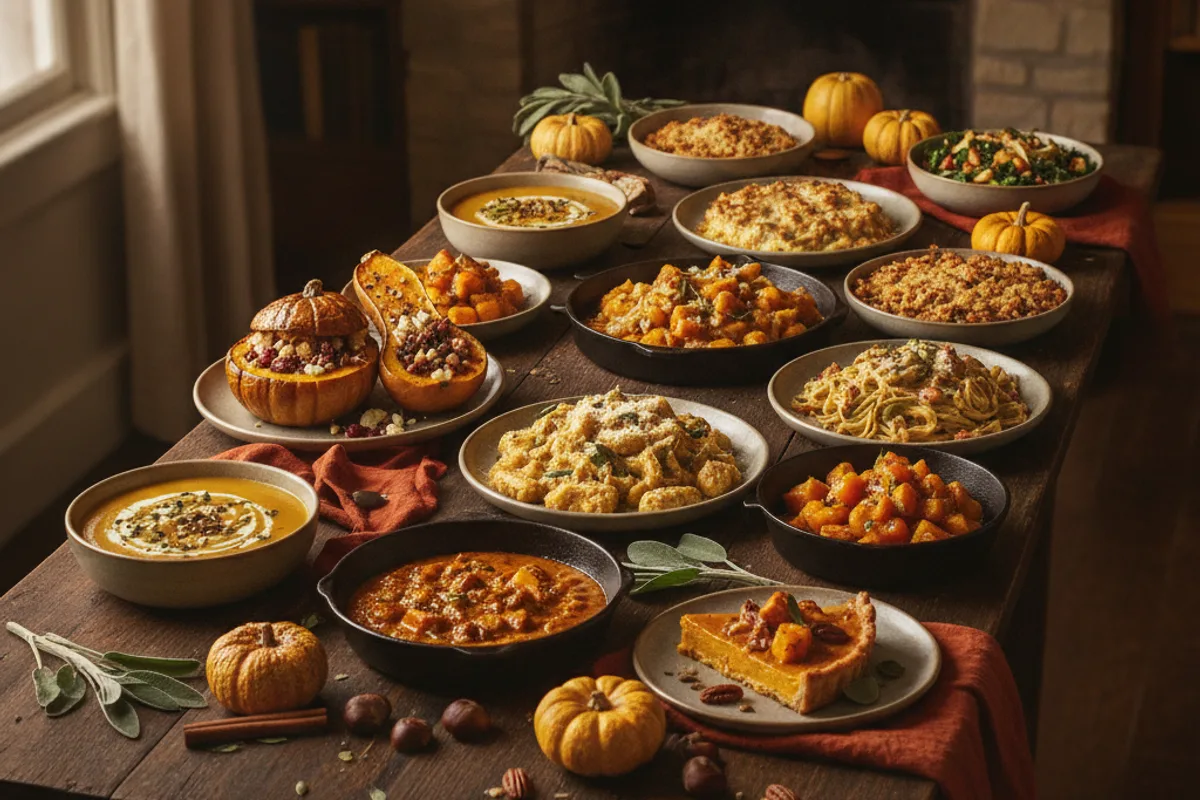
When the air turns crisp and the days grow short, few ingredients capture the spirit of the season like butternut squash. Its sweet, nutty flesh roasts into caramelized cubes, blends into velvety soups, and stands up to bold spices, sharp cheeses, and warming curries alike. It is the rare comfort food that is also genuinely good for you, which is exactly why it earns a permanent spot on the autumn menu.
This guide rounds up the 10 best butternut squash recipes for fall, from the foundational roasted cubes you will reach for again and again to a fragrant coconut curry that feels like a treat. Along the way you will find the prep, roasting, and storage know-how that makes every dish turn out better, plus a few pairing ideas to round out the meal. Use it as your seasonal playbook, then browse our recipes to build a full fall spread.
Why butternut squash belongs in your fall rotation
Butternut squash is as nourishing as it is versatile. The same orange pigments that make it so striking are carotenoids, including beta-carotene, which the body converts into vitamin A to support vision and immune health. It is naturally low in calories yet rich in fiber, which means it fills you up and keeps digestion running smoothly without weighing you down. That combination of gentle sweetness and dense, satisfying texture is what lets it slide effortlessly from a simple weeknight side to an indulgent baked pasta.
Because it keeps for months when whole and freezes beautifully once cooked, butternut squash is also a practical staple. Batch-roast a tray on Sunday and you have the building block for half the recipes below ready to go all week. Here are the dishes worth keeping in rotation.
Good to know:
Most of these recipes start with the same step • peel, cube, and roast a batch of squash, then let it do double duty across soups, salads, pastas, and bowls all week.
How to prep butternut squash
Great butternut squash recipes start before the oven ever turns on. A little know-how at the cutting board makes the whole process faster, safer, and more reliable, so your squash roasts up tender and golden every time.
Selecting a ripe squash
Choose a squash with matte, dull beige skin rather than a glossy or waxy sheen, which usually signals it was picked too early. It should feel heavy for its size and sound faintly hollow when you tap the bulbous end. Look for a dry, corky stem still attached and skin that is free of deep cuts, soft spots, or patches of green.
Peeling without the struggle
Slice off both ends so the squash sits flat and stable, then use a sharp Y-shaped vegetable peeler and work in long strokes from top to bottom. Peel until you reach the bright orange flesh beneath the pale outer layer, which can take two passes in spots. If your squash is especially tough, microwave it whole for two to three minutes first to soften the skin slightly.
Cubing for even cooking
Cut the peeled squash in half where the narrow neck meets the round bulb. Halve the bulb, scoop out the seeds and stringy bits with a spoon, then cut everything into uniform one-inch cubes. Consistent sizing is what keeps some pieces from burning while others stay raw, so take a moment to even them out.
Roasting times and temperatures
For cubed squash, roast at 425°F for 25 to 30 minutes for deep caramelization, or at 400°F for 30 to 35 minutes if you prefer gentler browning. For squash halves roasted in the skin, set the oven to 400°F and give them 45 to 50 minutes, until a fork slides in easily. Spread the cubes in a single layer with space between them so they roast instead of steam, and flip once halfway through for even color. The goal is fork-tender flesh with crisp, golden edges, not mush.
The 10 best butternut squash recipes for fall
From the foundational roast to a one-pot curry, these ten dishes cover every craving the season throws at you. The first is the master recipe that makes most of the others easier, so start there.
1. Classic roasted butternut squash
If you learn only one squash recipe, make it this one. Toss one-inch cubes with olive oil, salt, and pepper, then roast hot until the edges turn deeply caramelized and the centers go creamy. That high heat is the secret to coaxing out the natural sugars and earning those crispy, golden corners everyone fights over. It is a side dish on its own, but it is also the building block for at least half the recipes that follow.
At a glance:
Roasted • 30 min • serves 4
2. Creamy butternut squash soup
This is the bowl of comfort that defines autumn. Simmer roasted squash with onion, garlic, and stock, then blend until silky smooth. A splash of coconut milk or cream adds richness, while a pinch of nutmeg and a swirl of brown butter take it over the top. The soup freezes beautifully, so make a double batch and stash half for a busy night. Serve with crusty bread and you have a meal that tastes like a warm sweater feels.
At a glance:
Stovetop • 45 min • serves 6
3. Butternut squash risotto
Stirring roasted squash into a creamy Arborio risotto creates a dish that feels restaurant-worthy yet deeply cozy. Fold in plenty of Parmesan and finish with fresh sage and a crack of black pepper. The squash melts into the rice, lending a golden hue and a gentle sweetness that balances the savory cheese. Mash some cubes and leave others whole for a satisfying mix of textures in every bite.
At a glance:
Stovetop • 40 min • serves 4
4. Butternut squash pasta with sage
Blend roasted squash with a little starchy pasta water, garlic, and grated cheese to make a luscious sauce that clings to every noodle. Crispy fried sage leaves and toasted walnuts add texture and an earthy, aromatic finish. It comes together in the time it takes to boil pasta, making it a genuine weeknight hero. Rigatoni and pappardelle both work well, since their ridges and width hold the velvety sauce.
At a glance:
Stovetop • 30 min • serves 4
5. Butternut squash mac and cheese
Sneak some vegetables into the ultimate comfort food by stirring pureed squash right into the cheese sauce. It deepens the color, adds a subtle sweetness, and lets you cut back on cheese without sacrificing creaminess. Top with seasoned breadcrumbs and bake until bubbling and golden for a crowd-pleaser kids and adults both devour. It is one of the sneakiest ways to get extra fiber and vitamin A onto a picky eater's plate.
At a glance:
Baked • 50 min • serves 6
6. Roasted butternut squash salad
Warm roasted squash cubes turn a simple salad into something special. Pile them over arugula or baby spinach with dried cranberries, toasted pecans, crumbled goat cheese, and a maple-Dijon vinaigrette. The contrast of sweet, tangy, creamy, and crunchy makes this a standout side for any fall gathering, and it scales easily for a holiday table. For a heartier lunch, add quinoa or farro to turn it into a full grain bowl.
At a glance:
Roasted • 35 min • serves 4
7. Butternut squash tacos
Toss cubed squash with cumin, smoked paprika, and chili powder before roasting, then tuck it into warm tortillas with black beans, avocado, and a squeeze of lime. These vegetarian tacos prove squash can be the star of a spicy, satisfying dinner. A drizzle of chipotle crema and a scatter of pickled red onion tie everything together with smoke, heat, and brightness.
At a glance:
Roasted • 35 min • serves 4
8. Butternut squash and apple soup
Adding a tart apple to your squash soup brings a bright, orchard-fresh note that keeps each spoonful interesting. The apple balances the squash with just enough acidity, while warming spices like ginger and cinnamon make it taste like fall in a bowl. It is elegant enough for a dinner party yet easy enough for a Tuesday night, and a swirl of cream or a handful of toasted pumpkin seeds makes it feel finished.
At a glance:
Stovetop • 45 min • serves 6
9. Stuffed butternut squash
Halve a squash lengthwise, roast until tender, then fill the hollows with a savory mix of wild rice, sauteed mushrooms, dried cranberries, and herbs. It makes a stunning vegetarian centerpiece, but it also pairs beautifully with roasted meats and fish for a heartier spread. Because you roast the squash in its skin, this is also the lowest-prep option on the list, with no peeling required.
At a glance:
Baked • 60 min • serves 4
10. Butternut squash curry
Simmer cubed squash in a fragrant coconut curry with chickpeas, spinach, and warming spices for a one-pot dinner that feels both nourishing and indulgent. The squash soaks up the curry, turning meltingly tender, and the dish gets even better the next day as the flavors meld. Serve over rice or with naan for scooping. It is an easy way to turn a healthy butternut squash dinner into something that genuinely feels like a treat.
At a glance:
One-pot • 40 min • serves 4
Quick comparison of all 10 recipes
Not sure where to start? Use this snapshot to match a recipe to your night, whether you want a fast weeknight side, a make-ahead freezer meal, or a showstopping centerpiece.
| Recipe | Cooking Method | Time | Best For |
|---|---|---|---|
| Classic roasted squash | Roasted | 30 min | Everyday side |
| Creamy squash soup | Stovetop | 45 min | Make-ahead and freezing |
| Squash risotto | Stovetop | 40 min | Cozy date night |
| Squash pasta with sage | Stovetop | 30 min | Fast weeknight dinner |
| Squash mac and cheese | Baked | 50 min | Family and picky eaters |
| Roasted squash salad | Roasted | 35 min | Holiday tables |
| Squash tacos | Roasted | 35 min | Meatless dinners |
| Squash and apple soup | Stovetop | 45 min | Dinner-party starters |
| Stuffed squash | Baked | 60 min | Vegetarian centerpiece |
| Squash curry | One-pot | 40 min | Hearty meatless mains |
Butternut squash nutrition
Part of what makes butternut squash such a satisfying comfort food is that it is genuinely nutrient-dense. Here is a general look at what one cup of cooked, cubed butternut squash brings to the table. Exact values vary with how the squash is grown and prepared, so treat these as a useful guide rather than a lab-precise measurement.
| Nutrient | Amount (per 1 cup, cubed) |
|---|---|
| Calories | About 80 |
| Carbohydrates | About 21 g |
| Fiber | About 6 g |
| Protein | About 2 g |
| Fat | Less than 1 g |
| Vitamin A | Very high (from beta-carotene) |
| Vitamin C | A meaningful daily share |
How to store butternut squash
Whole, uncut butternut squash keeps for one to three months in a cool, dark, dry spot like a pantry or cellar, which is why it is such a reliable autumn staple. Once peeled and cubed, store the raw pieces in an airtight container in the fridge and use them within four to five days. Cooked squash also freezes well for up to three months, so batch-roasting on the weekend is a smart habit that pays off all week.
Staring down a glut of squash and not sure what to make? Our AI recipe generator can build a brand-new recipe around whatever you have on hand, and the app features let you scale ingredients and plan a full week of meals around seasonal produce.
Round out the meal
Butternut squash is wonderfully adaptable, but most of these dishes shine brightest next to a protein-forward main. A roasted squash side or salad pairs perfectly with Baked Salmon with Asparagus for a light, balanced dinner that still feels seasonal. For something heartier, serve the squash tacos or curry alongside Greek Chicken Power Bowls, which bring a fresh, Mediterranean counterpoint to all that cozy sweetness.
And when you want to lean fully into a high-protein plate, a simple roasted squash side next to High-Protein Grilled Chicken with Quinoa is everything a satisfying fall dinner should be. One make-ahead squash dish plus one of these mains, and weeknight cooking practically takes care of itself.
Frequently Asked Questions
What is the easiest way to peel butternut squash?
Use a sharp Y-shaped vegetable peeler and work in long strokes from top to bottom, peeling until you reach the bright orange flesh beneath the pale layer. For very tough squash, microwave it whole for two to three minutes first to soften the skin slightly. Always cut off both ends and steady the squash on a flat surface before you start.
What temperature should I roast butternut squash at?
Roast butternut squash cubes at 425°F for 25 to 30 minutes for the best caramelization and texture, or at 400°F for 30 to 35 minutes for gentler browning. Spread the cubes in a single layer so they brown instead of steam, and flip once halfway through. Squash halves take longer, about 45 to 50 minutes at 400°F.
How do I choose a ripe butternut squash?
Pick a squash with matte beige skin and no green patches, since shiny skin usually means it was harvested too early. It should feel heavy for its size and sound hollow when you tap the bulbous end. Check that the stem is dry and intact and that the skin is free of cuts, soft spots, or dark blemishes.
Is butternut squash healthy?
Yes. One cup of cooked butternut squash is low in calories and fat while delivering a generous amount of fiber, a very high share of vitamin A from beta-carotene, and a meaningful dose of vitamin C. The fiber supports digestion and steady blood sugar, and the carotenoids that give the squash its orange color promote eye and immune health.
What can I substitute for butternut squash?
Other winter squash varieties make excellent swaps, with kabocha, acorn squash, and buttercup squash all offering a similar sweet, dense flesh. Sweet potatoes are the closest pantry stand-in for soups and roasts, while pumpkin works well in pureed dishes. Adjust the cooking time slightly, since some substitutes cook faster than butternut.
Keep every fall favorite in one place
Save these butternut squash recipes, scale ingredients up or down, and plan a whole week of seasonal meals with Recipe Organizer. No more scattered screenshots or lost handwritten notes, just your favorite dishes ready whenever the temperature drops.
Try Recipe Organizer Free →Free to use • No credit card required • Works on any device