
Italian American Recipes: 10 Classic Dishes to Try
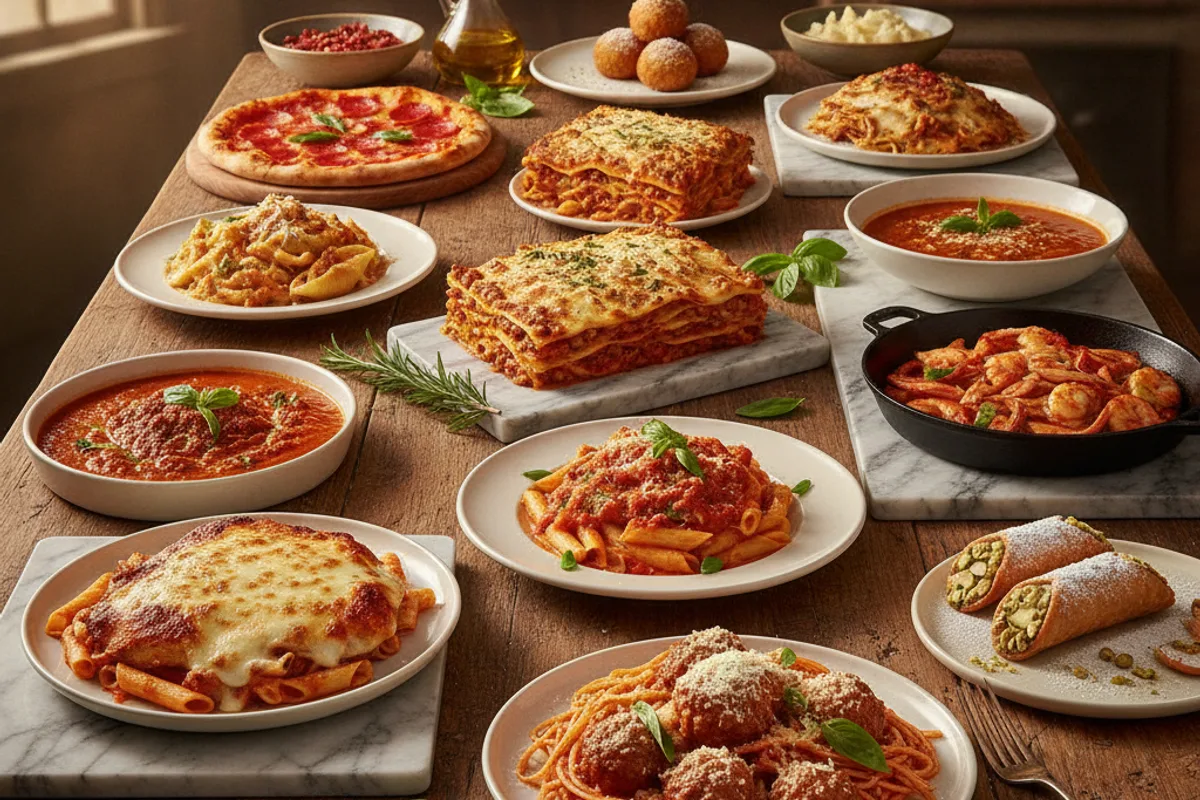
Italian American recipes are their own beautiful tradition, distinct from the regional cooking you would find in Italy itself. They were born during the great wave of Italian immigration to the United States between roughly 1880 and 1924, when families mostly from southern regions like Sicily, Naples, and Calabria arrived with their recipes and suddenly found themselves surrounded by abundance, especially affordable meat and cheese. The result is a cuisine that leans heavier on tomato sauce, melted mozzarella, and generous portions than the lighter, produce-forward cooking of the old country.
That distinction matters. Many beloved Italian-American foods, including chicken parmesan and baked ziti, are not commonly found on menus in Italy at all. They are American inventions built on Italian roots, shaped by Sunday dinners, big families, and a love of cooking with plenty. Below are ten of the best Italian-American dishes worth keeping in your rotation, complete with a little history and the pro tips that separate a good version from a great one.
What Makes a Dish Italian-American?
Before diving into the dishes, it helps to understand the thread that ties them together. Italian-American cooking is comfort food in the truest sense: hearty, saucy, cheese-forward, and built around the table. A few hallmarks show up again and again:
- Tomato sauce is the backbone. A long-simmered marinara or Sunday gravy anchors most of the savory dishes on this list.
- Melted cheese, and lots of it. Mozzarella, ricotta, and Parmesan appear far more generously than in most regional Italian cooking.
- Generous portions. These recipes were designed to feed large families and send everyone home full.
- Meat and pasta together. In Italy these are often separate courses; in America they share the plate.
The 10 Best Italian-American Dishes
Here are the ten classics that define the genre, from the headline-grabbing chicken parm to the espresso-soaked tiramisu that closes the meal. Each entry includes the story behind the dish and a tip to help you nail it at home.
1. Chicken Parmesan
Chicken parmesan is the undisputed king of the Italian-American menu, and also one of the most quintessentially American dishes on this list. It descends directly from eggplant parmigiana, a southern Italian dish. When immigrants arrived in the northeastern United States and found chicken cheaper and more plentiful than eggplant, they swapped it in, and by the mid-20th century chicken parm was a fixture in Italian-American restaurants. Breaded cutlets are fried until golden, blanketed in marinara and mozzarella, then baked until bubbling. Tip: keep the crust crisp by not drowning the cutlet in sauce, and finish it under the broiler rather than burying it.
At a glance:
Main course • About 45 minutes • Intermediate
2. Baked Ziti
Baked ziti shows up at every potluck, holiday, and family gathering, and like chicken parm it is far more common in America than in Italy. Its roots trace to Sicily and Campania, where baked pasta was historically served to celebrate weddings and the joining of families. Tube pasta is tossed with marinara, ricotta, mozzarella, and Parmesan, then baked until the top turns golden and the edges crisp. Tip: slightly undercook the pasta before baking so it does not turn mushy in the oven, and reserve a layer of cheese for the very top.
At a glance:
Main course • About 1 hour • Easy
3. Spaghetti and Meatballs
Pure nostalgia on a plate, and another Italian-American original rarely served this way in Italy, where meat and pasta are traditionally separate courses. Tender meatballs of beef and pork simmer slowly in a rich tomato sauce until they soak up all that flavor, then get piled over spaghetti and finished with Parmesan. Tip: use a panade, milk-soaked bread folded into the mix, to keep the meatballs moist, and simmer them gently in the sauce rather than browning them hard so they stay soft all the way through.
At a glance:
Main course • About 1 hour • Easy
4. Lasagna
Layer upon layer of pasta, meaty ragu, creamy ricotta, and stringy mozzarella make lasagna the ultimate centerpiece of classic Italian-American food. The Italian-American version typically uses ricotta where many northern Italian versions use a bechamel, giving it that signature richness. It takes patience to build, but the payoff slices into neat, architectural portions and feeds a whole table. Tip: let it rest at least fifteen minutes after baking so the layers set before you cut, which is the single best way to keep a beautiful lasagna from collapsing on the plate.
At a glance:
Main course • About 90 minutes • Intermediate
5. Fettuccine Alfredo
Silky, rich, and irresistibly simple, the American version of Alfredo leans into cream, butter, and a mountain of Parmesan to coat every ribbon of fettuccine. The original Roman dish was just butter and cheese emulsified with pasta water, but Americans added heavy cream, and the lush sauce we know today was born. It comes together in the time it takes to boil the pasta. Tip: toss the noodles while still hot, reserve a little starchy pasta water to loosen the sauce, and add the cheese off the heat so it melts smoothly instead of clumping.
At a glance:
Main course • About 20 minutes • Easy
6. Eggplant Parmesan
The original parmigiana and the dish that gave birth to chicken parm. Slices of eggplant are breaded, fried, then layered with marinara and mozzarella before baking until bubbling. It is hearty enough that no one misses the meat, making it a perfect vegetarian centerpiece. Tip: salt the eggplant beforehand to draw out moisture and bitterness, which gives you tender, creamy slices that hold their shape rather than turning soggy in the bake.
At a glance:
Main course (vegetarian) • About 1 hour • Intermediate
7. Garlic Bread
No Italian-American meal is complete without a basket of warm garlic bread, itself a stateside invention adapted from Italian bruschetta and fett'unta. A split loaf is slathered in garlic butter, often sprinkled with Parmesan and parsley, then toasted until crisp outside and pillowy within. It is the perfect tool for mopping up every last drop of marinara. Tip: gently warm the raw garlic in the butter before brushing it on, so the harsh bite mellows into something sweet and aromatic.
At a glance:
Side dish • About 20 minutes • Easy
8. Tuscan White Bean Chicken Skillet
For nights when you want something a touch lighter without sacrificing flavor, this skillet delivers. Golden seared chicken simmers with creamy white beans, garlic, sun-dried tomatoes, and a handful of greens for a one-pan dinner that feels rustic and satisfying. It nods to the Tuscan countryside while staying firmly weeknight-friendly. Tip: sear the chicken hard to build a flavorful fond, then let the beans soak it all up as they simmer, proof that Italian-inspired cooking does not always have to mean a heavy red-sauce feast.
At a glance:
Main course • About 30 minutes • Easy
9. Caprese Bruschetta
A bright, fresh starter that brings a little of the old country to the table. Toasted bread is rubbed with garlic and topped with juicy tomatoes, fresh mozzarella, fragrant basil, and a drizzle of balsamic and olive oil. It is the perfect lighter bite to open a big Italian-American feast and takes only minutes to assemble. Tip: use the ripest summer tomatoes you can find, season them with salt a few minutes ahead so they release their juices, and toast the bread sturdy enough to hold the topping without going soggy.
At a glance:
Appetizer • About 15 minutes • Easy
10. Traditional Tiramisu
End the meal the way every great Italian-American dinner should, with tiramisu. Ladyfingers soaked in espresso are layered with a luscious mascarpone cream and dusted with cocoa for a dessert that is light yet indulgent. A relatively modern invention from the Veneto region, it became a defining sweet on Italian-American restaurant menus. Tip: make it a day ahead so the flavors meld and the layers set, and dip the ladyfingers quickly rather than soaking them, or you will end up with a soggy base instead of distinct, tender layers.
At a glance:
Dessert • About 30 minutes plus chilling • Easy
Quick Comparison of All 10 Dishes
Not sure where to start? Use this table to match a dish to your time, skill level, and where it fits in the meal. The times are rough estimates for active and total cooking combined.
| Dish | Course | Time | Difficulty |
|---|---|---|---|
| Chicken Parmesan | Main course | ~45 min | Intermediate |
| Baked Ziti | Main course | ~1 hour | Easy |
| Spaghetti and Meatballs | Main course | ~1 hour | Easy |
| Lasagna | Main course | ~90 min | Intermediate |
| Fettuccine Alfredo | Main course | ~20 min | Easy |
| Eggplant Parmesan | Main (vegetarian) | ~1 hour | Intermediate |
| Garlic Bread | Side dish | ~20 min | Easy |
| Tuscan White Bean Chicken | Main course | ~30 min | Easy |
| Caprese Bruschetta | Appetizer | ~15 min | Easy |
| Traditional Tiramisu | Dessert | ~30 min + chill | Easy |
Italian-American vs Regional Italian
It is worth understanding how these stateside classics differ from the cooking you would find in Italy. Neither is more authentic than the other; they are simply two traditions that branched from the same roots. This table sums up the most common contrasts.
| Aspect | Italian-American | Regional Italian |
|---|---|---|
| Tomato sauce | Generous, central to most dishes | Used sparingly, varies by region |
| Cheese | Abundant mozzarella and ricotta | Used as a finishing accent |
| Meat and pasta | Often served together | Usually separate courses |
| Portions | Large and hearty | Smaller, multi-course |
| Signature dish | Chicken parmesan | Regional pastas and seafood |
Tips for Cooking Italian-American Classics at Home
A few habits will lift any of these dishes from good to restaurant-worthy. Keep these in mind as you cook:
- Build a good marinara first. Most of these recipes lean on tomato sauce, so a slow-simmered marinara with garlic, basil, and a pinch of sugar pays off across the whole menu.
- Salt your pasta water generously. It should taste like the sea. This is the only chance to season the pasta itself.
- Grate your own cheese. Pre-shredded mozzarella and Parmesan are coated in anti-caking agents that keep them from melting smoothly.
- Let baked dishes rest. Lasagna, baked ziti, and parmigiana all need time to set so they slice cleanly instead of sliding apart.
- Make ahead when you can. Tiramisu, lasagna, and baked ziti all improve with a day in the fridge, making them ideal for entertaining.
If you want to keep all of these recipes organized in one place, you can browse our recipes and save your favorites. Short on ideas for a weeknight twist? Our AI recipe generator can build a custom Italian-American dish around whatever you have in the fridge, and you can explore everything the platform offers on the app features page.
Frequently Asked Questions
What is the difference between Italian-American and regional Italian food?
Italian-American cuisine developed when immigrants adapted their southern Italian recipes to the abundant, affordable meat and cheese available in America, leading to heavier use of tomato sauce, mozzarella, and large portions. Authentic regional Italian cooking tends to be lighter and simpler, built around fresh local produce specific to each region, and often serves meat and pasta as separate courses.
Is chicken parmesan actually Italian?
Not in its current form. Chicken parmesan is an Italian-American creation that evolved from eggplant parmigiana, a southern Italian dish. Italian immigrants in the northeastern United States swapped affordable chicken for eggplant, and by the mid-20th century it was a staple of Italian-American restaurants. You will rarely find chicken combined with pasta this way in Italy itself.
Which Italian-American dish is best for feeding a crowd?
Baked ziti and lasagna are the classic crowd-pleasers because they can be assembled ahead of time and baked in a single large dish. Both scale easily and actually taste better as leftovers, making them ideal for potlucks, holidays, and big family dinners.
Can I make these dishes ahead of time?
Many of these recipes are perfect for making ahead. Lasagna and baked ziti can be assembled and refrigerated before baking, while tiramisu actually improves when made a day in advance so the flavors meld and the layers set.
Are there lighter Italian-American options for everyday meals?
Yes. Dishes like the Tuscan white bean chicken skillet and caprese bruschetta offer the flavors of Italy without the heaviness of a full red-sauce feast. They rely on fresh vegetables, beans, and lean protein, making them great weeknight choices.
Keep Every Italian-American Classic in One Place
Save these recipes, build your Sunday-dinner menu, and let our AI suggest fresh twists on the dishes you love. Recipe Organizer keeps your whole collection tidy and ready whenever you cook.
Try Recipe Organizer Free →Free to use • No credit card required • Works on any device